Right-sized furniture, better traffic flow, layered lighting, mirrors, and color choices that visually open up small living rooms, plus key measurements and ...
home decor / design / interior decoration
Choosing the Right Accent Chair

Maya Thorne
Maya Thorne is an interior stylist and the creative voice behind Homoraa. With over a decade of experience blending vintage finds with modern aesthetics, she helps readers transform ordinary spaces into personalized sanctuaries. When she is not rearranging her living room, she can usually be found hunting for unique ceramics and textiles at local flea markets.
Created: September 29, 2026
Updated: September 29, 2026
An accent chair can be a room’s exhale. It adds a “come sit here” moment, breaks up the sofa silhouette, and gives you one extra landing spot for real life. But it can also become the chair that looks perfect online and feels oddly… wrong in your living room.
The fix is less about taste and more about fit: fit to your sofa, fit to your body, and fit to the way people actually move through the space. Here’s how to choose an accent chair you will love living with, not just looking at.
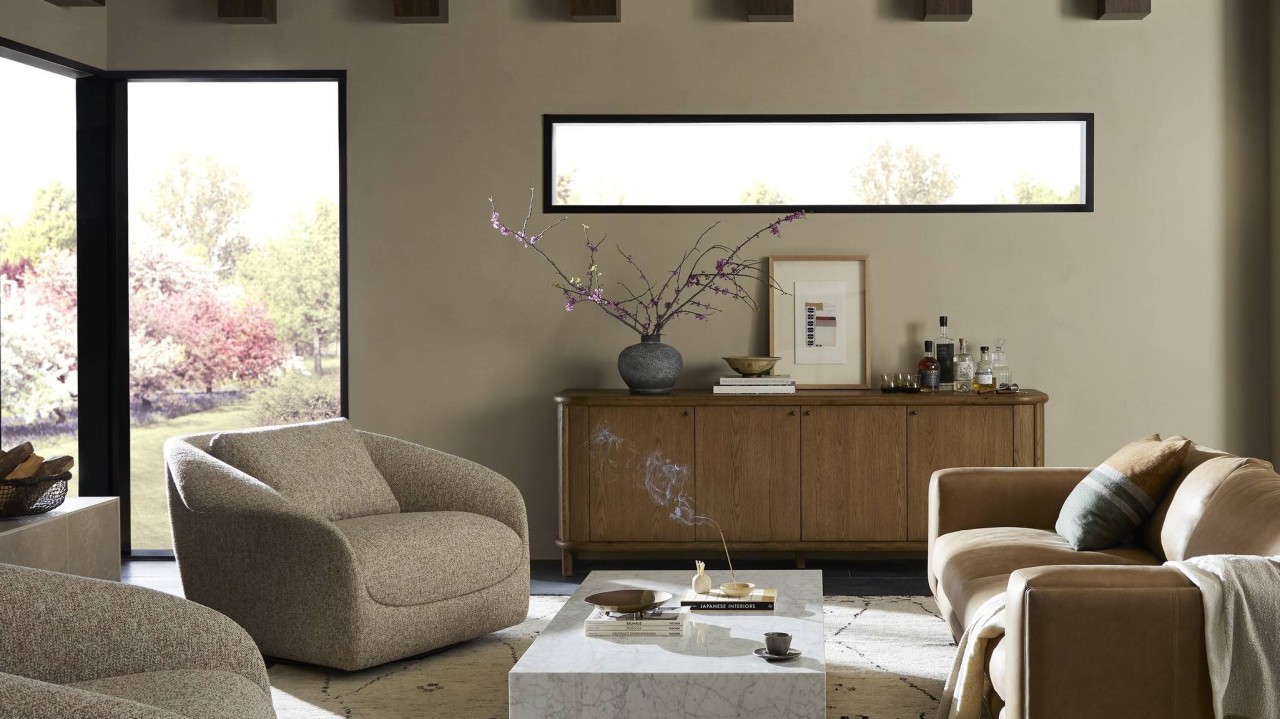
Start with the chair’s job
Before you measure anything, decide what role this chair plays. Your “perfect” chair changes depending on the job description.
- Conversation seat: Prioritize comfort, arms, and a supportive back. Placement matters more than silhouette.
- Reading chair: Look for a deeper seat, higher back, and room for a side table and lamp.
- Extra perch for guests: Medium seat depth, easy to get in and out of, and not too precious.
- Visual balance: If it’s mostly there to balance a large sectional, you can go lighter and more sculptural, but it still has to be usable.
If you know your chair’s “job,” you will be less tempted by a pretty-but-impractical pick, like a tiny slipper chair in a household that actually lounges.
Size it to your sofa
Accent chairs look best when they feel related to the sofa, not like they wandered in from another room. You are aiming for harmony in height, visual weight, and scale.
Rule 1: Keep seat heights close
A good starting point is keeping seat heights within about 1 to 2 inches of each other. It is not a law, but it is one of the easiest ways to make mixed seating feel intentional.
- Measure your sofa seat height: floor to the top of the seat cushion, with cushions in place (and remember soft cushions compress when you sit).
- Choose a chair seat height: ideally within about 1 to 2 inches of the sofa, unless you are intentionally creating contrast.
Why it matters: when one seat sits much higher, conversations can feel physically “tiered,” and the grouping can look off even if the chair is gorgeous.
Rule 2: Match arm height, or go lower on purpose
Arms are a huge visual line in a living room. If your sofa has arms, compare the chair’s arm height to the sofa’s arm height.
- Easy match: arms within a couple inches read cohesive.
- Safe contrast: a chair with lower arms often works beautifully, especially if you want the sofa to feel more substantial.
- Tricky zone: chair arms much higher than the sofa can look top-heavy unless the chair is set back and used as a statement piece.
If you love a tall-armed chair, keep it from feeling bulky by choosing an airier silhouette (slimmer arms, open legs) or giving it a little separation so it reads as its own moment.
Rule 3: Don’t out-bulk your sofa
Think in “visual weight.” A chunky, overstuffed chair can make a sleek sofa feel underdressed. A spindly chair can look lost next to a deep sectional.
- Large sectional: choose a chair with presence, like a wide lounge chair, a club chair, or something with a substantial base.
- Petite or apartment sofa: choose a chair with slimmer arms, legs that show, or a tighter profile.
Quick width reality check
Width is the silent dealbreaker, especially in smaller rooms. Many “standard” accent chairs land somewhere around 28 to 36 inches wide, while oversized lounge styles can run 38 inches and up. Use those numbers as a sanity check, then confirm with the chair’s actual specs and a taped footprint.
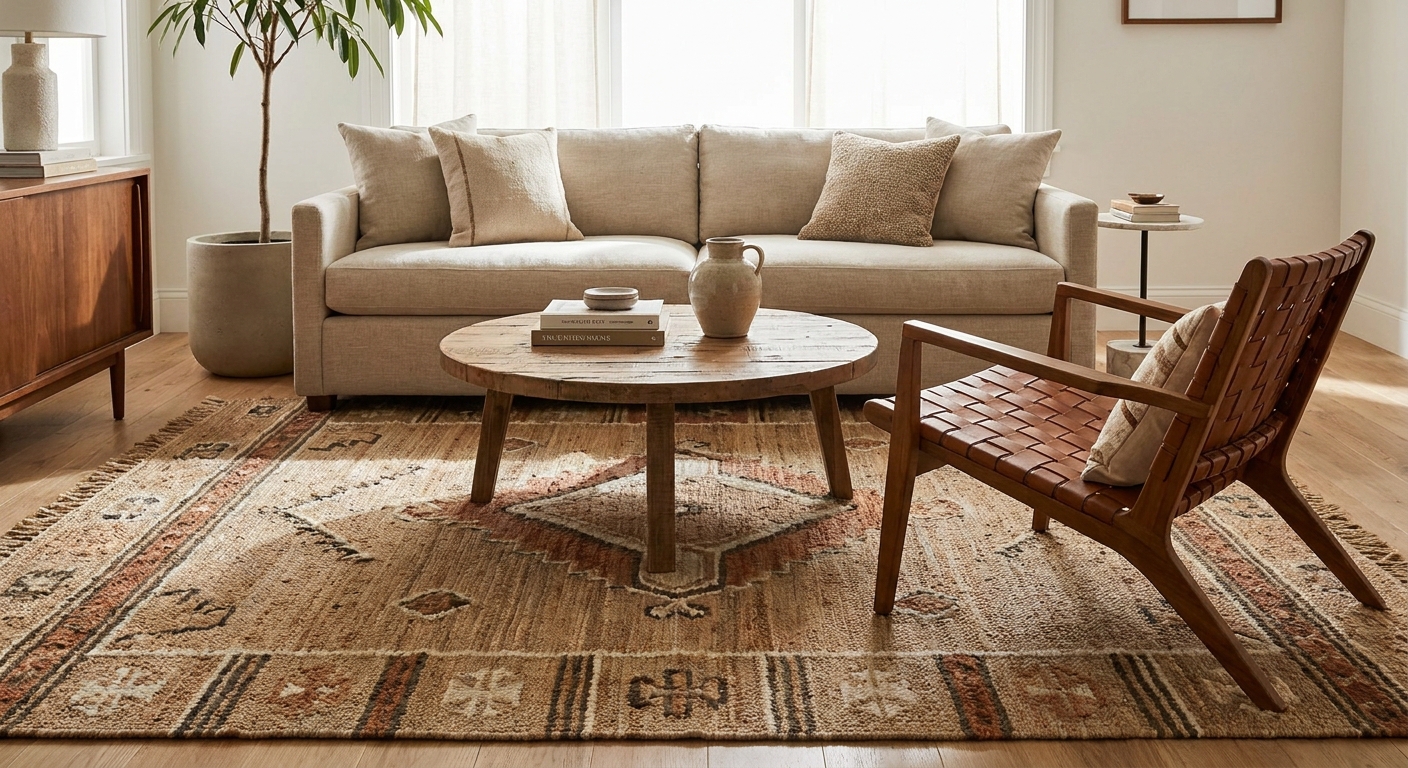
Comfort basics: height and depth
Online shopping makes it easy to fall for shape and ignore ergonomics. Two numbers make or break comfort: seat height and seat depth.
Seat height: the “feet flat” test
Most living room seating lands roughly around 16 to 18 inches in seat height, but it varies by style, brand, and cushion thickness.
- Lower seat (about 15 to 16 inches): feels loungier, can be harder for some people to stand up from.
- Standard seat (about 16 to 18 inches): easiest all-around.
- Higher seat (about 18 to 20 inches): more upright, can feel formal, often easier to rise from.
If your sofa is low and relaxed, a very tall accent chair can look and feel mismatched, like a barstool joined the conversation.
Seat depth: lounging vs. perching
Seat depth is where shopping listings get messy. When designers talk comfort, they typically mean inside seat depth, measured from the front edge of the seat (where your knees bend) to where your back actually rests. Some retailers list overall depth instead, so check the spec wording.
- Shallower inside depth (about 19 to 21 inches): great for conversation and for people who like to sit upright.
- Medium inside depth (about 21 to 23 inches): a comfortable middle ground for most living rooms.
- Deeper inside depth (about 23 to 26+ inches): ideal for reading and lounging, often best with a pillow behind your back.
My slow-decorating tip: if you are between depths, go slightly shallower and add a soft lumbar pillow. A too-deep chair is harder to fix without a permanent stack of cushions.
Back height and support
- High back: supportive, cozy, great for reading corners.
- Mid back: versatile and usually easier to place visually.
- Low back: sleek, but often less comfortable for long sits.
Traffic flow
A living room can be beautifully styled and still feel stressful if you’re constantly squeezing past furniture. When you add an accent chair, you are adding a new object to navigate, so give it breathing room.
Clearance guidelines
- Main walking paths: aim for about 36 inches wide when possible.
- Tighter secondary paths: about 30 inches can work if it’s not a major route.
- Space between chair and coffee table: aim for about 16 to 20 inches so you can reach your mug without knee-bumping.
- Space from chair to wall (if it’s against a wall): even 4 to 6 inches can help prevent the shoved-in look. If you want it flush and tailored, that can work too.
If you have a small room, prioritize the path people use most often, like the route from entry to sofa or sofa to hallway. A chair that blocks your natural flow will never feel relaxing, no matter how pretty it is.
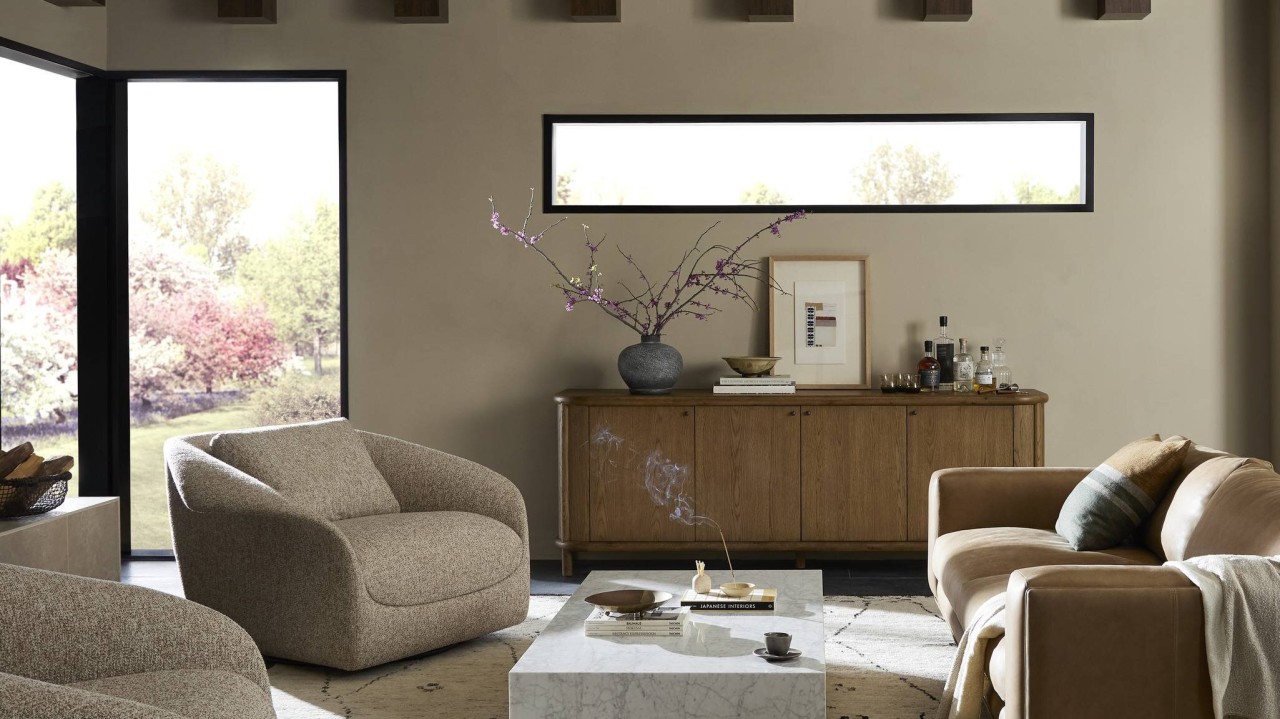
Measure in 10 minutes
You don’t need fancy tools. A tape measure, painter’s tape, and a little honesty about how you live will get you there.
Step 1: Measure your sofa
- Seat height: floor to top of cushion (with cushion in place).
- Inside seat depth: front edge of the seat to where your back rests.
- Arm height: floor to top of arm.
Step 2: Tape the footprint
Accent chairs often feel smaller online than they are in real life, especially anything labeled lounge, club, or swivel. Before you buy:
- Look up the chair’s width and depth (and note whether the depth is overall or inside seat depth).
- Tape that rectangle onto the floor where you want the chair.
- Walk around it like you are carrying a laundry basket.
If you keep clipping the corners, it is not a moral failing. It is a sizing mismatch.
Step 3: Check sightlines
In an open plan, a chair back can block the view and make the room feel chopped up. Stand at your main entry point and make sure the chair doesn’t create a visual wall.
Step 4: If it swivels, add breathing room
Swivel chairs are magical for conversation, but they need extra clearance because your body naturally rotates and your feet shift. If the chair listing provides a swivel base diameter, use it. If it does not, assume you need a few extra inches beyond the taped rectangle on all sides so it does not smack into a side table mid-spin.
Layout mistakes
Mistake 1: Shoving it against the wall
This often makes the room feel like a waiting area, with furniture lined up like it’s afraid of the rug.
Fix: Pull the chair forward so at least the front legs sit on the rug, and angle it slightly toward the sofa. Even a few inches changes the energy.
Mistake 2: Too small next to a big sofa
A delicate chair beside a deep sectional can look like a prop.
Fix: Either scale up the chair, or scale it up visually with a larger side table, a taller lamp, and a fuller throw.
Mistake 3: Blocking the path
If everyone constantly detours around the chair, it becomes an irritation, not a feature.
Fix: Rotate the chair, switch it to the opposite side of the sofa, or choose a chair with a smaller footprint, like a slipper chair or a tighter barrel chair.
Mistake 4: Forgetting the swivel factor
Swivel chairs are great, but they need more clearance than you think.
Fix: Give a swivel chair extra breathing room and avoid placing it where it will bump a side table at full rotation.
Mistake 5: No landing zone
A chair without a nearby surface becomes the chair no one uses because there’s nowhere for a drink, a book, or a phone.
Fix: Add a small side table, a garden stool, or a wall-mounted shelf nearby.
Style that fits what you own
I love a living room that looks collected, not matchy. The trick is to repeat one or two elements so the mix feels intentional.
Pick one bridge element
- Color: echo a shade already in the rug, art, or pillows.
- Material: repeat wood tone, metal finish, or upholstery texture.
- Shape: if your sofa is boxy, a curved chair softens the room; if your sofa is curvy, a cleaner-lined chair adds structure.
Upholstery, in plain language
- Performance fabric: best for kids, pets, and snack-heavy movie nights. Check cleaning codes and what “performance” actually means for that brand.
- Leather: finished or protected leather is usually the easiest to wipe down. More delicate leathers can spot or patina faster, which is lovely if you like lived-in character and stressful if you do not. Add a throw for softness.
- Velvet: cozy and elegant. Durability depends on fiber content and construction, so look for a tight weave and solid rub ratings when available. It will show pressure marks and wants a little regular brushing.
- Pattern: fantastic for hiding wear and adding personality. Keep the scale of the pattern in proportion to the chair size.
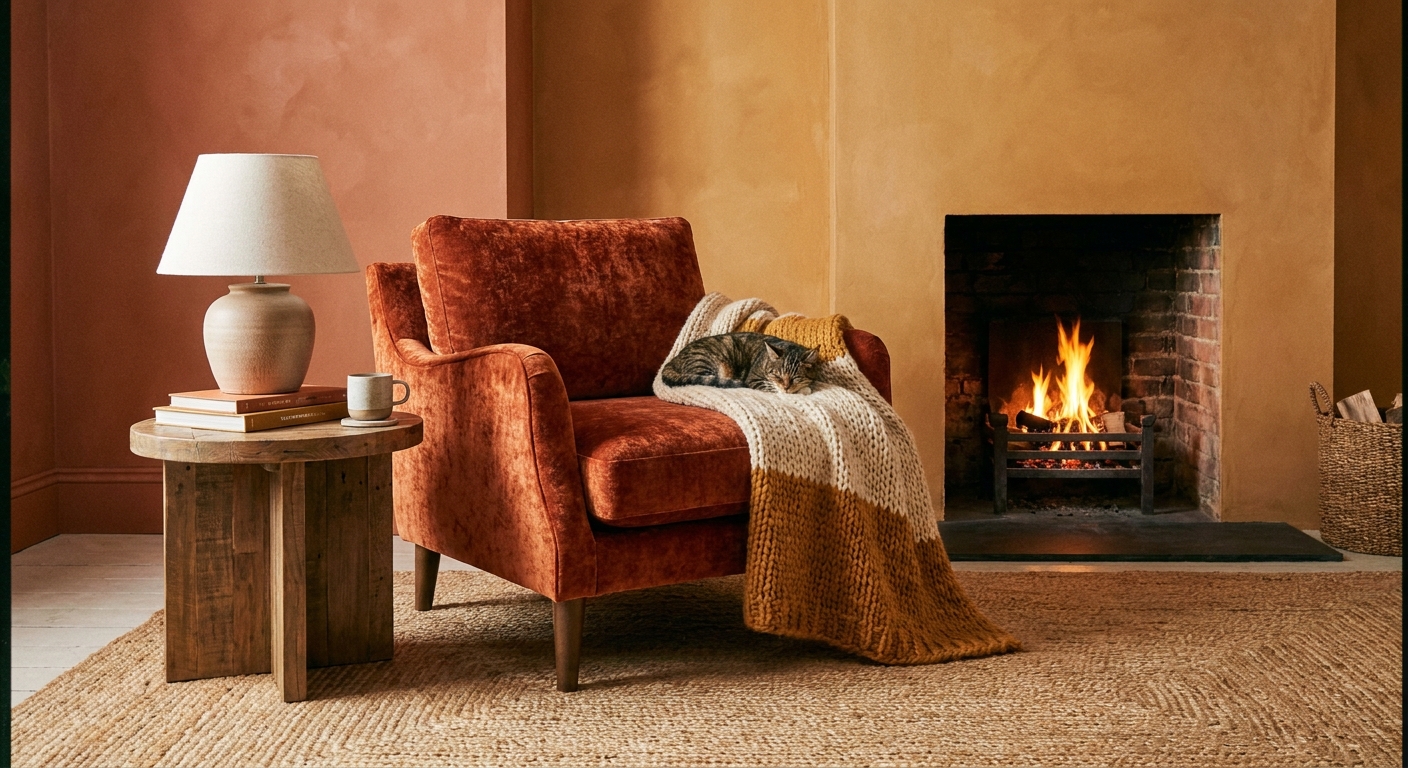
Quality cues
If two chairs look similar online but one costs more, the difference is usually what you cannot see. A quick scan for quality can save you from the wobbly regret chair.
- Frame: look for kiln-dried hardwood or quality engineered wood, and avoid anything that feels light and hollow.
- Joinery: corner blocks, dowels, or reinforced joints beat stapled-only construction.
- Suspension: sinuous springs or webbing can both work when done well, but you want even support and no sagging feel.
- Cushions: high-resilience foam (sometimes with a fiber wrap) tends to keep its shape; softer fills feel cozy but may need more fluffing.
- Fabric durability: if you see rub counts or abrasion ratings, higher generally holds up better for daily use. If you see none, look for tight weaves and ask for swatches.
Quick checklist
- Chair seat height is within about 1 to 2 inches of the sofa seat height, unless you are intentionally mixing heights.
- Inside seat depth matches how you sit: perch, lounge, or curl up.
- You can maintain about 30 to 36 inches of clear walkway on main routes.
- There’s about 16 to 20 inches between chair and coffee table.
- The chair has a nearby spot for a drink or book.
- Painter’s tape footprint feels good when you walk the room.
- If it swivels, you have extra clearance for the rotation.
FAQ
Should accent chairs match the sofa?
No. Coordinating usually looks better than matching. Aim to repeat one element, like a color family or wood tone, and let the chair bring in a fresh texture or silhouette.
Is one accent chair enough?
One is perfect if you are working with a small space or you want to keep the room open. If your sofa is long or your room is used for entertaining, two chairs can balance the layout, especially opposite the sofa.
What size accent chair works in a small living room?
Look for a tighter footprint and lighter visual weight: armless or slim-armed chairs, chairs with legs that show, and designs that do not look bulky from the side. Use painter’s tape to confirm you can keep at least a 30-inch path.
Do I need a rug big enough for the chair?
Ideally, yes. The chair should feel anchored to the seating area. Even if only the front legs sit on the rug, it helps the whole arrangement feel connected.