A stylist’s guide to combining light, medium, and dark woods so your space feels layered and intentional. Includes easy starting points, mistakes to avoid,...
home decor / design / interior decoration
How to Mix Metal Finishes Without It Looking Mismatched

Maya Thorne
Maya Thorne is an interior stylist and the creative voice behind Homoraa. With over a decade of experience blending vintage finds with modern aesthetics, she helps readers transform ordinary spaces into personalized sanctuaries. When she is not rearranging her living room, she can usually be found hunting for unique ceramics and textiles at local flea markets.
Created: September 30, 2026
Updated: September 30, 2026
Mixing metal finishes is one of those design moves that looks effortlessly collected in other people’s homes, then mysteriously “off” in our own. The secret is not finding the perfect matching set. It is giving your metal finishes a plan.
When finishes are chosen with a little structure, brass can warm up chrome, black can calm a room full of shine, and your space ends up feeling layered, not mismatched. Here is how I do it in real homes, with guidelines that are easy to follow and flexible enough to still feel like you.
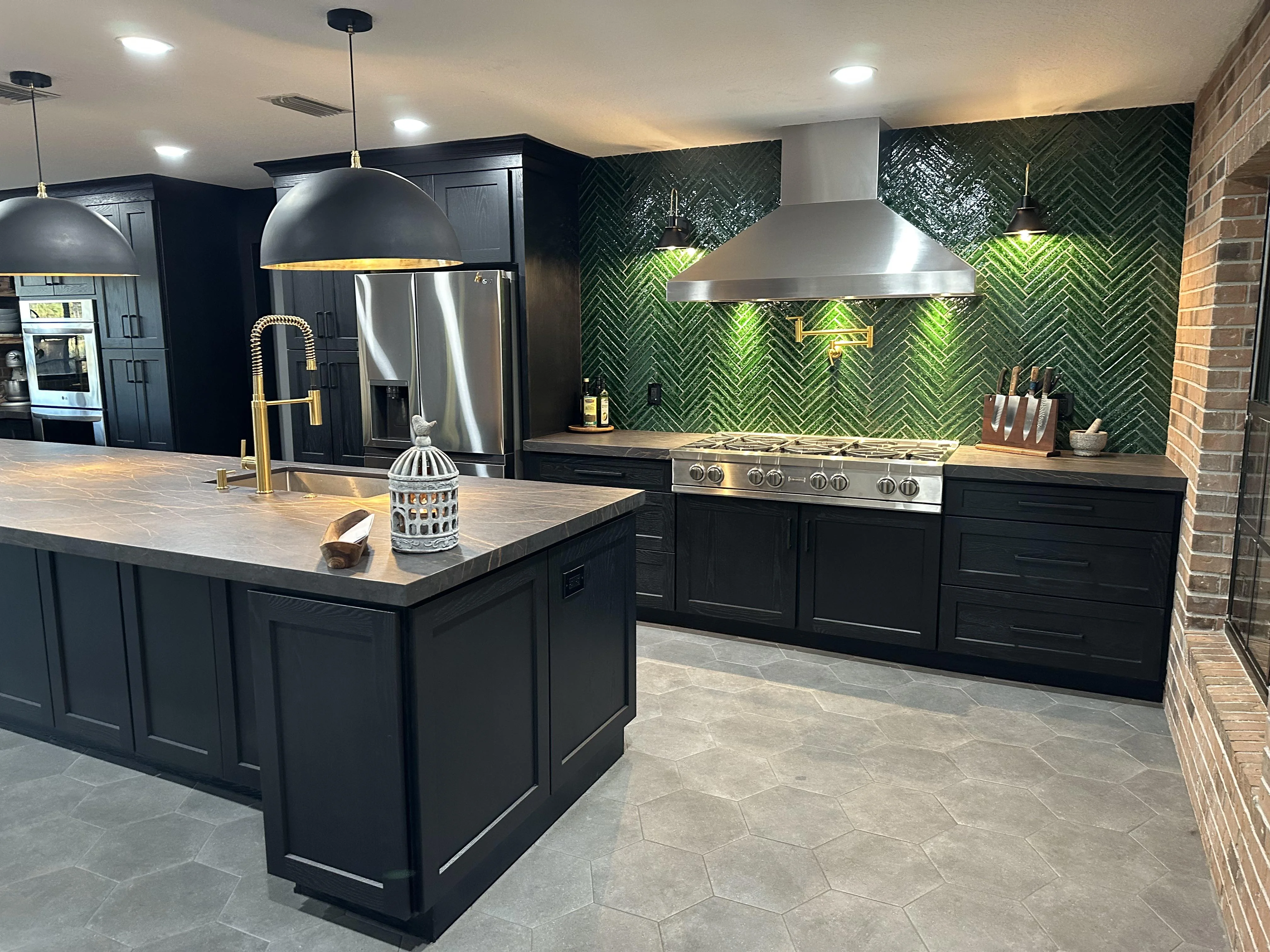
Start with the vibe
Before you pick “brass or black,” decide what you want the room to feel like. Metal finishes have distinct energy, and your mix will look cohesive when the finishes support the same mood. For example, polished chrome tends to read sharper and more tailored than aged brass, which feels softer and more lived-in.
- Warm and soulful: brass, antique brass, bronze, copper, warm gold tones.
- Crisp and tailored: chrome, polished nickel, stainless, glossy black.
- Soft and quiet: brushed nickel, satin chrome, aged pewter, matte black.
- Vintage-leaning: unlacquered brass, oil-rubbed bronze, patinated finishes.
If your room is already full of warm woods , creamy paint, and vintage textiles, chrome can still work, but it often looks best as a small hit of sparkle rather than the main event.
Pick a main finish, then two supports
In one room, I aim for one primary finish and one or two supporting finishes. That is the sweet spot where the space feels intentional but not overly coordinated.
- Primary finish (about 60 percent): shows up on the biggest, most repeated items, like cabinet pulls, a main light fixture, or furniture legs.
- Secondary finish (about 30 percent): shows up on a few medium items, like a faucet, sconces, a mirror frame, or a coffee table base.
- Accent finish (about 10 percent): shows up in small hits, like picture frames, a tray, candlesticks, or curtain rod rings.
This is not math you measure with a spreadsheet. It is simply a way to avoid the “one of everything” look that reads accidental.
Use undertones
Metal finishes have undertones, and this is where most mismatches happen. Think of it the way you think of white paint. Some whites are creamy, some are icy. Metals work the same way.
Quick undertone cheat sheet
- Brass: warm, yellow-gold. Can lean modern (bright) or vintage (muted/aged).
- Gold (high shine): often warmer and more glamorous. Can skew “new” quickly.
- Nickel: can be warm or cool depending on polish level. Brushed nickel often feels softer and slightly warmer than chrome.
- Chrome: cool, bright, mirror-like. Very reflective.
- Black (matte): neutral but visually strong. Reads graphic and grounding.
My shortcut: try to keep your silver-toned finishes in a similar lane. If you have brushed nickel in the room, a satin chrome often plays nicer than a super mirrored chrome. If you love contrast, you can break this, but do it on purpose and repeat it at least twice.
Repeat each finish
A mixed-metal room looks cohesive when each finish appears in at least two places. One lonely black detail can look like a mistake. Two or three black details look like a choice.
Easy ways to repeat a finish
- Match a faucet to a picture frame and a small tray.
- Echo matte black hardware with a black lamp base or curtain rod.
- Repeat brass in cabinet pulls and a mirror frame.
- Carry nickel from a light fixture into a floor lamp or side table legs.
If you only remember one thing, let it be this: repeat, repeat, repeat.
Let lighting set the tone
Lighting is often the most visually dominant metal, especially in small rooms where a fixture sits right in your sightline. That makes it a powerful anchor.
How I choose lighting when mixing finishes
- Pick one hero finish for the main fixture. This can be your primary or secondary finish.
- Let bulbs and shades soften the mix. Opal glass, linen, paper, and warm bulbs help different metals live together peacefully.
- If your room already has many finishes, choose a quieter light. A simple silhouette in black or brushed nickel can calm the whole situation.
Also, remember that reflective metals can amplify visual busyness because they bounce light and highlights around the room. When in doubt, mix sheens too: pair one shiny element with one brushed or matte element.
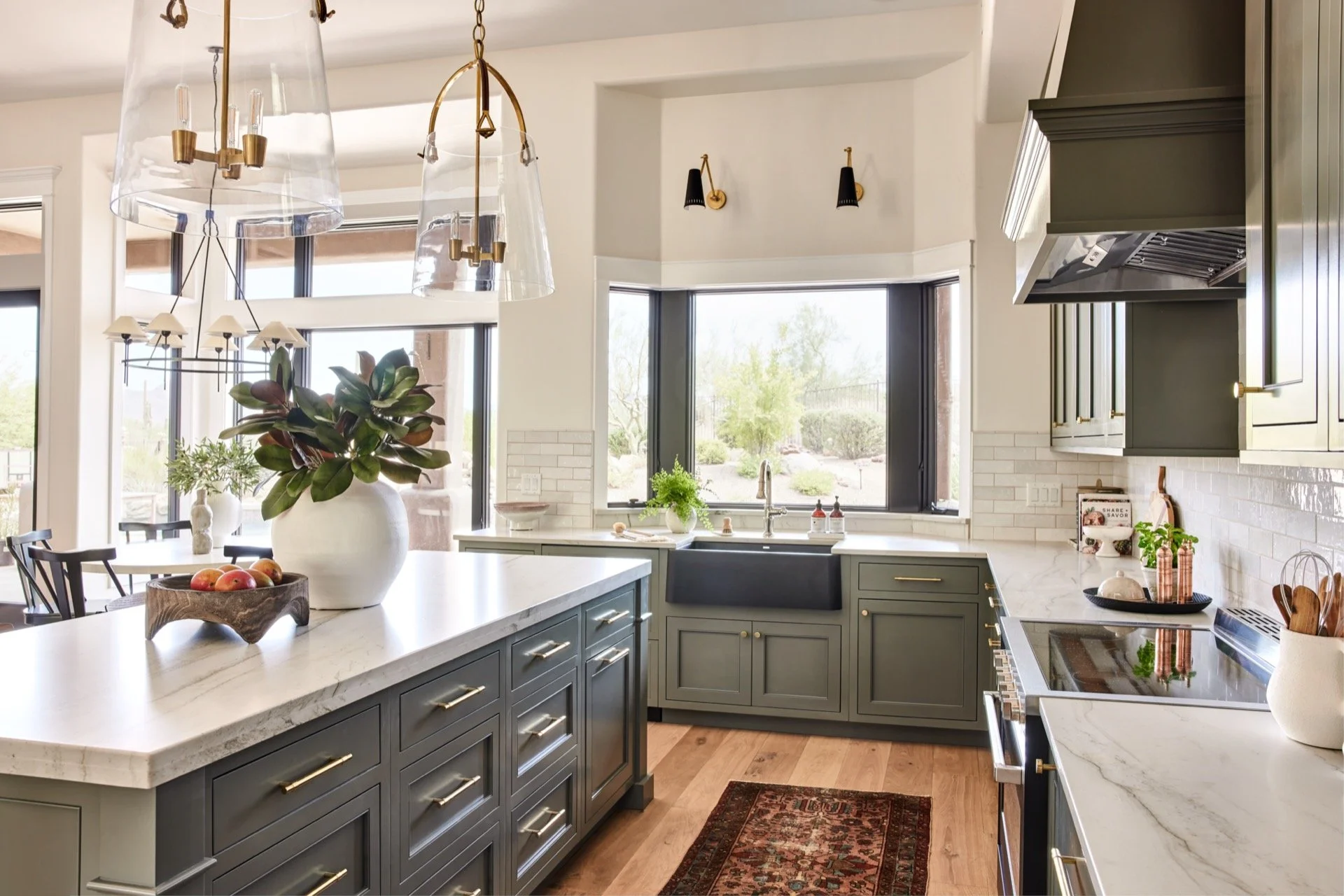
Cabinet hardware
Hardware is repetitive by nature, which makes it an easy way to establish a dominant finish. If you choose one finish for most of your pulls and knobs, you get instant cohesion.
Three hardware approaches that work
- One finish everywhere: all knobs and pulls match, and you mix finishes elsewhere (faucet, lighting, decor). Clean and simple.
- Two finishes by function: for example, brass pulls on lowers and black pulls on uppers. This works best when the cabinetry itself has some contrast (painted uppers, wood lowers) or when the room is very modern and graphic.
- Same shape, different finish: if you want to mix, keep the hardware silhouette consistent (same bar pull style), then vary the finish. The repeated shape keeps it from feeling random.
My “please avoid” note: mixing multiple hardware styles and multiple finishes at the same time. If you want variety, pick one axis. Either varied finishes with consistent shapes, or varied shapes in one finish.
Faucets, sinks, appliances
Kitchens and bathrooms get tricky because some metals are hard to change. Stainless appliances, chrome shower trim, a sink you are not replacing. Instead of fighting them, treat them like fixed landmarks and build around them.
If you have stainless appliances
- Stainless reads like a silver. It pairs beautifully with brass (warm-cool balance) and black (graphic contrast).
- Keep your other silvers in the same lane. Brushed nickel usually sits more quietly next to stainless than mirror chrome.
If you already have chrome plumbing
- Repeat chrome once more (a mirror frame or a light detail), then introduce a warm metal like brass through hardware or decor.
- Choose muted brass (antique, brushed, unlacquered) if your chrome is very shiny. The contrast feels curated rather than competitive.
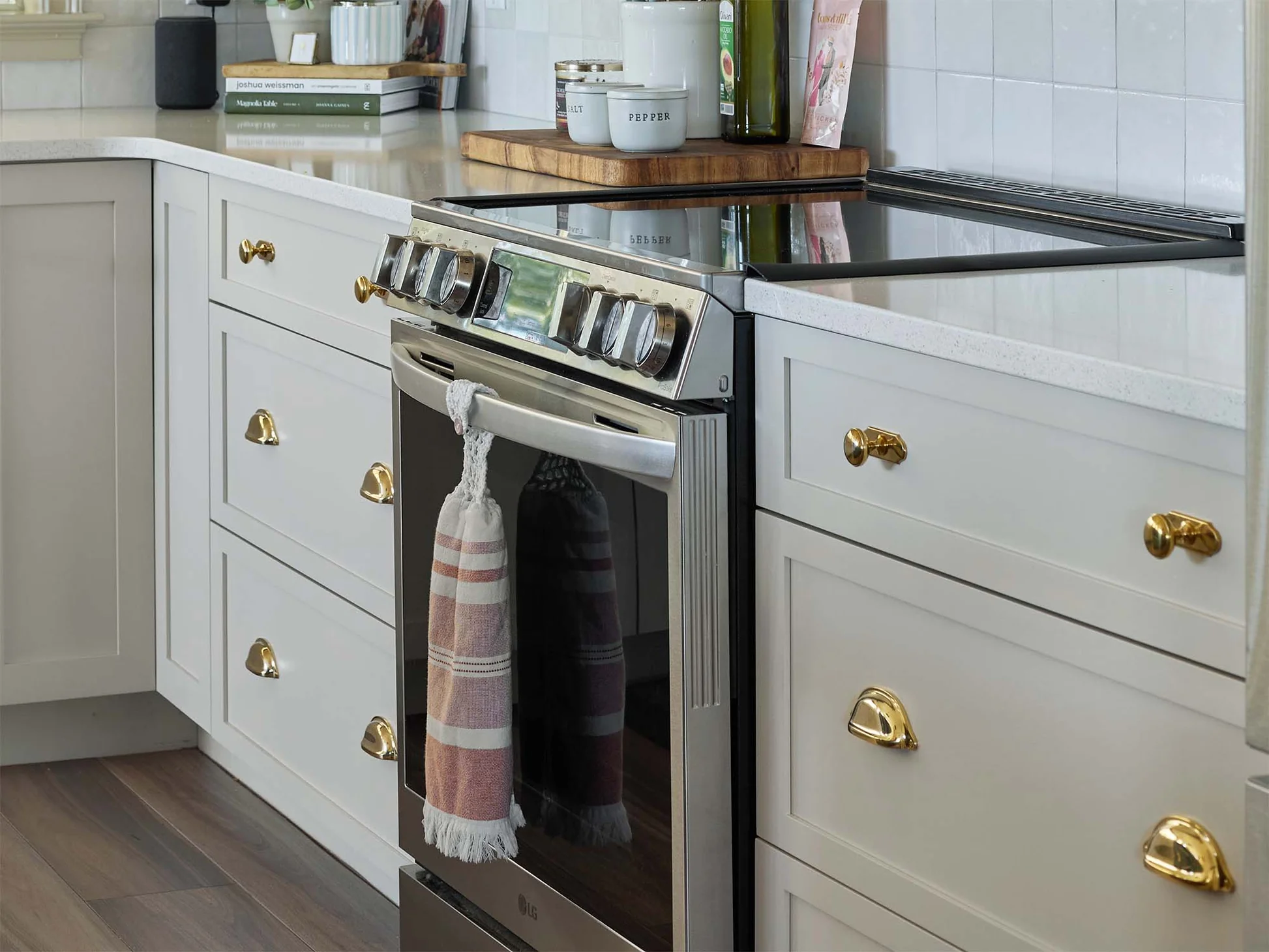
Furniture and frames
Furniture is where you can quietly connect the dots between finishes. In my styling work, matte black is one of the most reliable bridge finishes because it behaves almost like a neutral.
Combinations that usually feel natural
- Brass + black: warm and grounded, works in modern, vintage, and eclectic rooms.
- Nickel + black: tailored and calm, great for small spaces because it does not feel too busy.
- Brass + nickel: softer than brass + chrome, especially when both are brushed or satin.
- Chrome + black: crisp and modern, best when the room has clean lines and fewer patterns.
If your room already has multiple finishes, consider choosing furniture with legs that are either black or wood. That creates visual rest so the metals can shine in the right places.
Mix finish and style on purpose
Finish is only half the story. The style of the piece matters too, especially with lighting and plumbing. A traditional curved faucet in polished brass and a super modern squared-off chrome faucet can clash even if you like both finishes.
My guideline: if you are mixing styles , keep one element consistent. Either keep the silhouettes in a similar family (mostly modern, mostly classic) and mix finishes, or keep the finish consistent and let silhouette do the talking.
Decor accents
Decor is where mixed metals can start to look like a flea market table that lost the plot. The fix is grouping.
How to style metal accents so they look cohesive
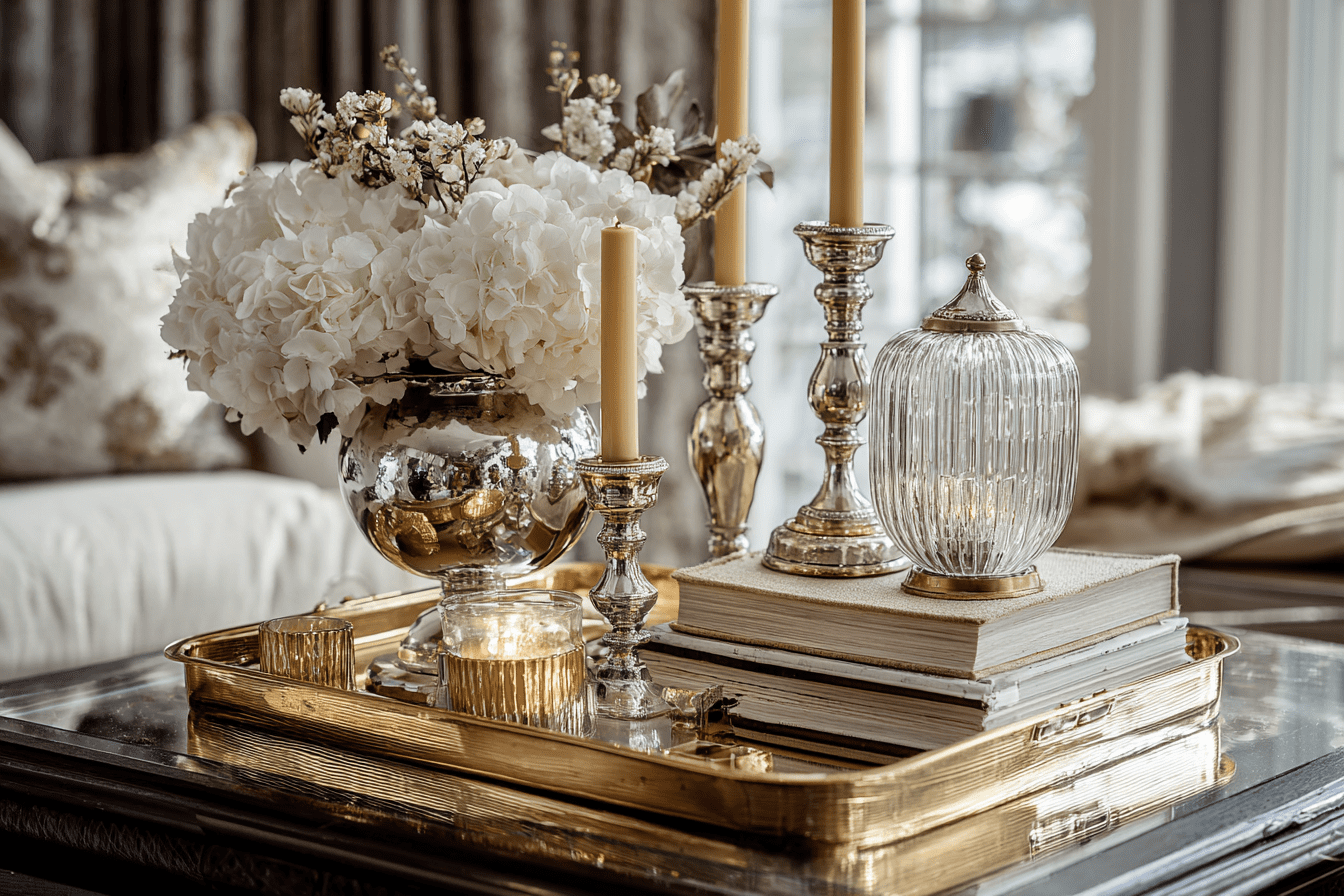
- Cluster metals on a tray: a brass candlestick, a black match striker, a small silver-toned bud vase. One surface, one moment.
- Use one finish to frame the room: for example, a black curtain rod and black picture frames. Then sprinkle brass in objects and lighting.
- Repeat the warmth or coolness in other materials: if you have brass, add warmth elsewhere with honey wood, camel leather, or terracotta. The room will “understand” the warmth.
I also love mixed-metal objects, like a lamp with a black base and brass details. They do some of the coordination work for you.
Know what will patina
A quick practical note before you commit: some finishes change, and that is not a defect.
- Unlacquered brass will darken and develop patina over time, especially in kitchens and bathrooms.
- Oil-rubbed bronze can vary from batch to batch and may wear at touch points, showing warmer undertones.
- Coated “brass” finishes stay more consistent, but can scratch if cleaned with harsh products.
If you love a lived-in look, patina is a feature. If you want a finish to stay exactly the same, choose a sealed or coated option and clean it gently.
Common mistakes
1) Too many finishes in equal amounts
Fix: choose a dominant finish and swap a few smaller items to support it. Often, changing just hardware or just lighting is enough.
2) Everything is shiny
Fix: keep one finish glossy, make the others brushed, satin, or matte. A mix of sheens reads layered instead of chaotic.
3) One-off random metal moments
Fix: repeat that finish one or two more times. Add a frame, a small bowl, or a lamp detail in the same tone.
4) Warm metals fighting cool metals
Fix: add a bridge. Matte black is an easy bridge. Wood, woven textures, and creamy whites also help warm and cool metals coexist.
Starter combo
If you are nervous and want an easy place to start, try this:
- Primary: brushed nickel or stainless (fixtures you already have often land here)
- Secondary: matte black (faucet, lighting, or furniture legs)
- Accent: warm brass (small decor, mirror details, one light detail)
It is balanced, forgiving, and it still looks like you made a choice.
Room-by-room formulas
Kitchen
- Primary: cabinet hardware (brass or black)
- Secondary: faucet (black or nickel)
- Accent: lighting details (a touch of the “other” finish)
Example: brushed brass pulls + matte black faucet + stainless appliances + one nickel detail in pendant hardware.
Bathroom
- Primary: plumbing trim set (often fixed)
- Secondary: mirror frame or vanity hardware
- Accent: towel ring, sconce, small accessories
Example: chrome shower set + brushed brass mirror + black sconce base repeated in a black tray.
Living room
- Primary: one major metal on a table base or floor lamp
- Secondary: picture frames or curtain rod
- Accent: small objects on a tray or bookshelf
Example: black curtain rod + brass floor lamp + a couple of silver frames to echo a chrome detail on a side table.
Mix over time
If you are feeling stuck, give yourself permission to do this slowly. Start with one finish you truly love and commit it to the most repeated element in the room (usually hardware or a main light). Then add the second finish through one or two pieces you would buy anyway.
Collected homes rarely look like they were designed in a single weekend because they were not. A little time is one of the most underrated styling tools.
FAQ
Is it okay to mix chrome and brass?
Yes. It is a classic warm-cool pairing. Keep it cohesive by repeating each finish at least twice and mixing sheens, like polished chrome with brushed or antique brass.
Do door handles and hinges need to match?
Not always, but consistency helps. In open-concept homes, I like matching handles and hinges within the same sightlines. If you mix, do it by zone (for example, bedrooms one finish, bathrooms another) so it feels intentional.
What finish mixes well with almost anything?
Matte black. It often reads as a neutral and helps bridge warm metals like brass and cool metals like chrome or nickel.
How many finishes is too many?
In most rooms, three is a good upper limit before it starts to feel busy. You can break that rule if some “metals” are subtle (like stainless appliances) and you keep the rest of the palette calm.
Should lighting match cabinet hardware?
You do not have to. If you want the simplest cohesive look, match them. If you want a layered look, choose lighting as your secondary finish and repeat that finish elsewhere, like in frames or a mirror.