
A complete, step-by-step $500 small bedroom makeover: paint choices that expand the room, storage-friendly furniture swaps, and styling tips that look custom...
home decor / design / interior decoration
Choosing the Right Paint Sheen

Maya Thorne
Maya Thorne is an interior stylist and the creative voice behind Homoraa. With over a decade of experience blending vintage finds with modern aesthetics, she helps readers transform ordinary spaces into personalized sanctuaries. When she is not rearranging her living room, she can usually be found hunting for unique ceramics and textiles at local flea markets.
Created: September 29, 2026
Updated: September 29, 2026
Paint color gets all the attention, but sheen is what decides how your walls live day to day. It controls three big things: how much light bounces around the room, how easily you can clean the surface, and how much texture on your wall gets highlighted. Choose the right sheen and even a budget paint job can feel intentional. Choose the wrong one and you will notice every roller lap, fingerprint, and drywall patch.

Below is how I explain sheens to clients and friends: start with the finish options, then match them to real rooms and real life.
What paint sheen means
Sheen is the level of light reflection once paint dries. On one end you have very flat finishes that absorb light. On the other end you have high-gloss finishes that reflect it like a soft mirror.
- Lower sheen = more forgiving on imperfect walls, softer look, typically less wipeable (unless you choose a premium washable matte).
- Higher sheen = more durable and easier to clean, but it shows texture, dents, and application mistakes more.
One more important note: different brands label and formulate sheens slightly differently. A satin in one line can look like an eggshell in another. Always check a sample on your actual wall, in your actual lighting.
Common sheens
Matte (or Flat)
Look: Velvety, low-reflection, calm. This is the finish that makes color feel rich and wrapped.
Pros: Best at hiding wall flaws, patching, and uneven drywall texture. Great for cozy rooms and older homes.
Cons: Some formulas mark or burnish with repeated wiping. Modern washable mattes are much better than older flats, and in some premium lines they can rival eggshell for scrub resistance. Still, I do not reach for standard matte for splash zones unless it is specifically bathroom or kitchen rated.
Eggshell
Look: Soft glow, barely-there sheen. If matte is a knit sweater, eggshell is a crisp cotton tee.
Pros: A sweet spot for most living spaces: slightly more durable than matte, still forgiving on walls.
Cons: In strong raking light (light hitting the wall at a low angle), eggshell can still reveal roller marks if application is uneven.
Satin
Look: Noticeable gentle sheen. It starts to read clean and fresh, especially in daylight.
Pros: More durable and more wipeable. A go-to for busy homes, hallways, kids' areas, and many kitchens.
Cons: Shows wall texture more than eggshell. Prep matters.
Semi-gloss
Look: Shiny but still common in homes. Light bounces. Details pop.
Pros: Tough and easy to clean. Ideal for moisture and mess zones, and for trim when you want contrast.
Cons: Highlights surface flaws. On big wall areas it can feel harsh in many homes unless that is the look you are going for.
Gloss (High-gloss)
Look: Very reflective, lacquer-like when done well.
Pros: Most durable and most wipeable. Stunning on doors, millwork, and furniture-style trim if you love a tailored look.
Cons: Prep must be near-perfect. Every dent, brush stroke, and sanding swirl will show.
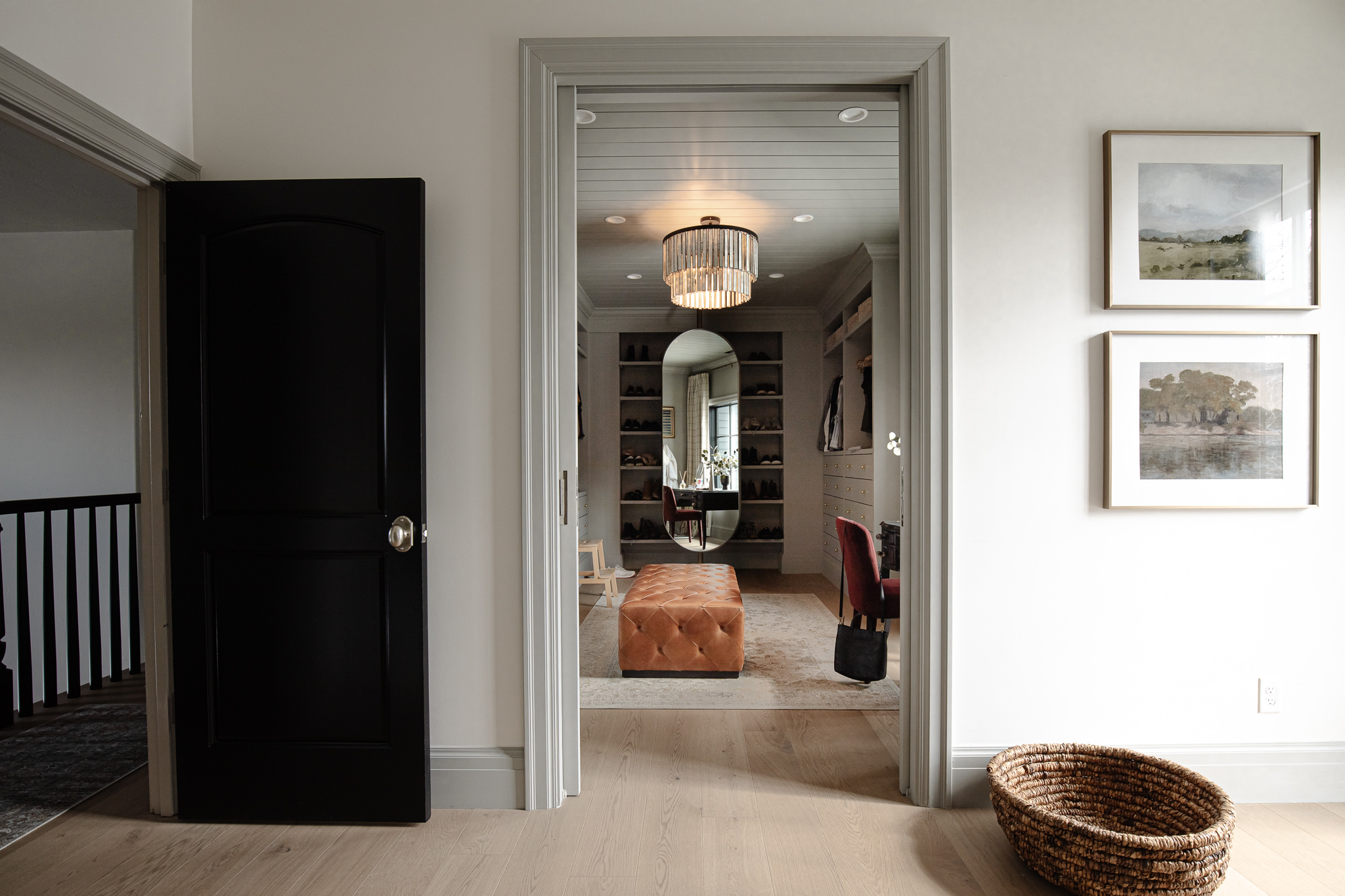
Best sheen by room
Bedrooms
Best bets: Matte or eggshell.
- If you want a soft, calming cocoon and your walls have a few stories to tell, choose matte.
- If you anticipate more cleaning (kids, pets, frequent wall leaning near the bed), lean eggshell.
Pro tip: North-facing bedrooms can look a little dim. If your color is already deep or cool, eggshell gives you a whisper of lift without looking shiny.
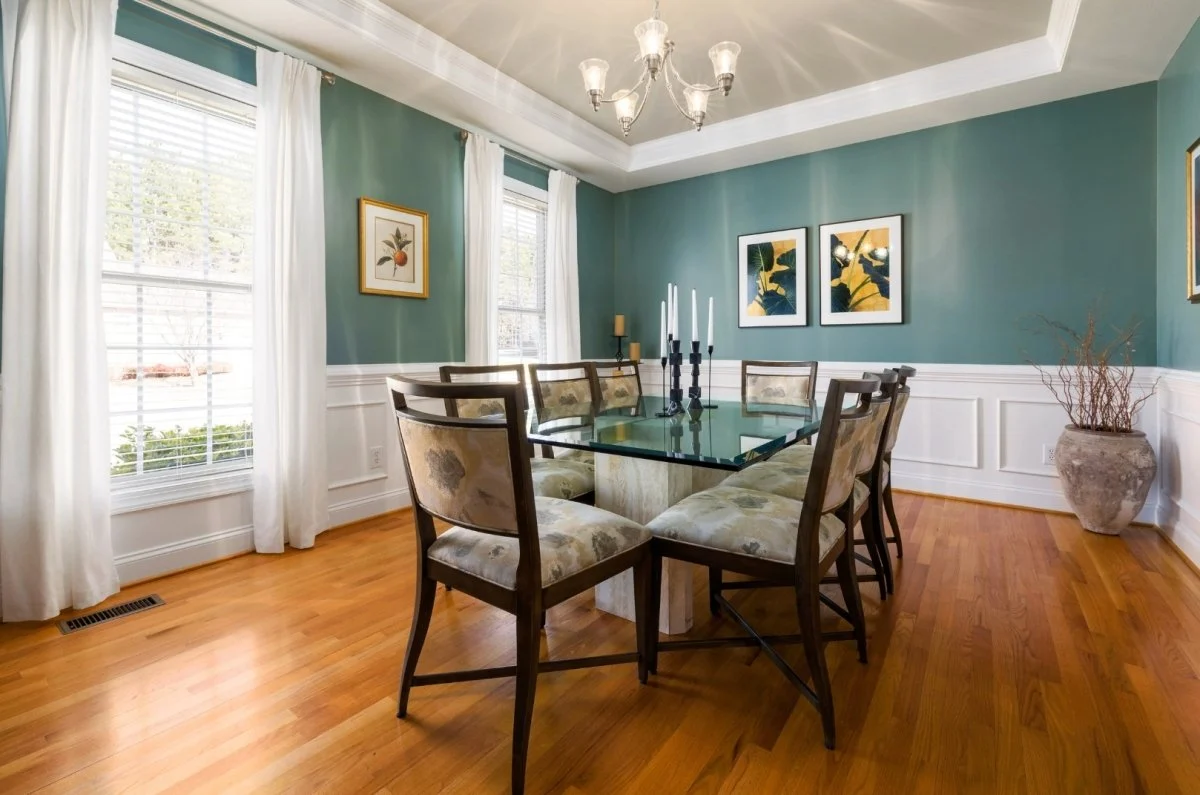
Living rooms and dining rooms
Best bets: Eggshell for most homes, matte for older walls, satin for high-traffic families.
- Eggshell reads classic and forgiving, especially behind art and shelving.
- Matte makes color feel expensive and hides patchwork, great in vintage spaces.
- Satin works if you host a lot and need walls that clean easily.
Hallways, entryways, and stairwells
Best bets: Satin (sometimes eggshell).
These areas get constant brushing, bags bumping, and fingerprints at shoulder height. Satin gives you more durability without going full shine.
- Choose satin if you expect frequent spot-cleaning.
- Choose eggshell if the hallway has very uneven walls and you want a quieter finish.
Kitchens
Best bets: Satin on walls, semi-gloss on trim and cabinets (or cabinet-specific paint systems).
Kitchens need a finish that can handle moisture, splatters, and wiping. Satin is usually the happy medium: cleanable without spotlighting every drywall seam.
- Walls: Satin (eggshell can work in low-cook kitchens, but expect more marking near the sink and stove).
- Trim: Semi-gloss.
- Cabinets: Use a cabinet enamel or trim enamel. Sheen is often satin or semi-gloss depending on the look you like.
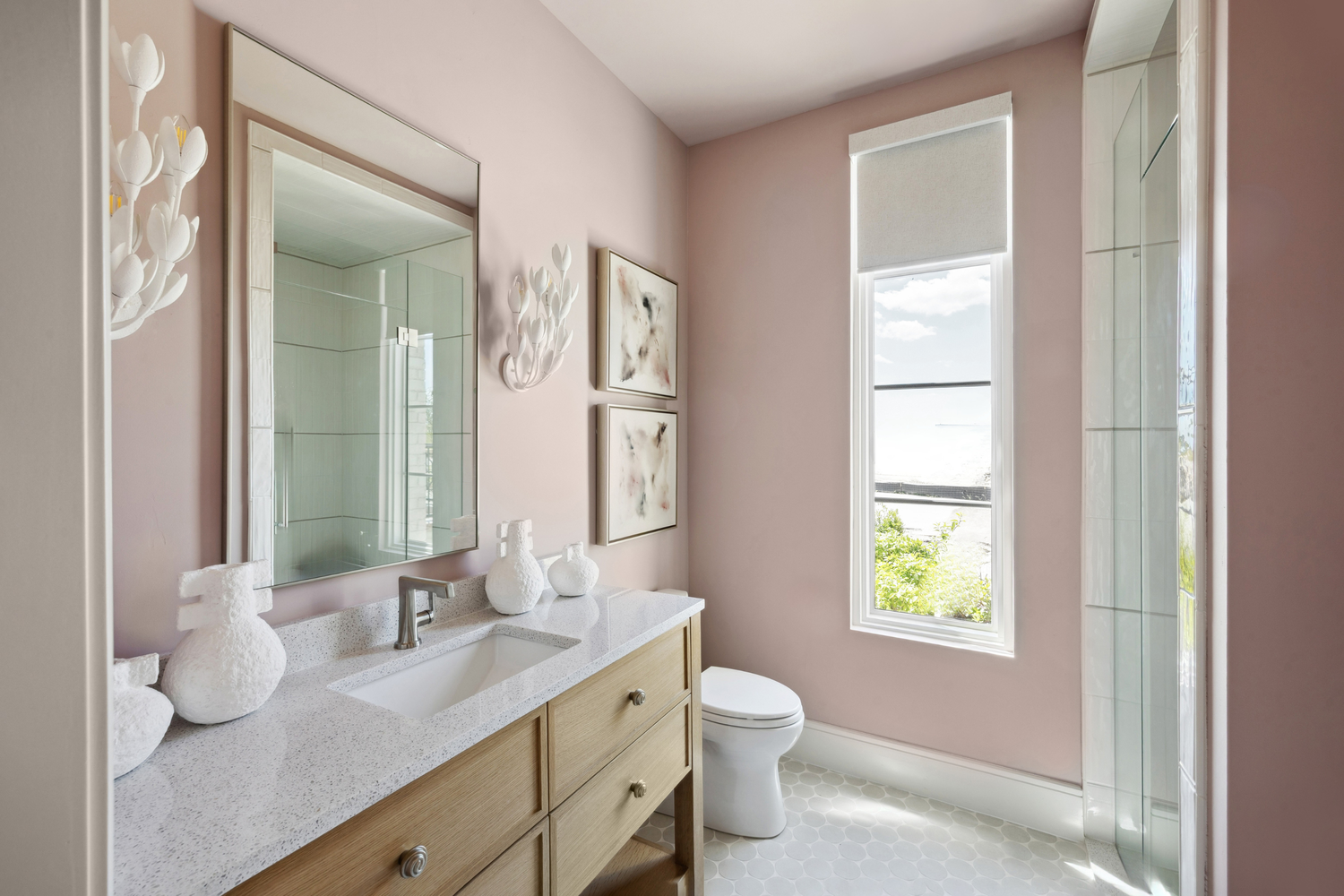
Bathrooms
Best bets: Satin or semi-gloss, plus the right bathroom-rated formula.
Between steam and water drips, bathrooms benefit from higher moisture resistance. The issue is not that matte is inherently wrong, it is that many standard matte wall paints are less moisture-resistant and can show water spotting unless they are specifically formulated for bathrooms. If your bathroom is poorly ventilated, semi-gloss can be a practical choice, but be honest about wall texture.
- Walls: Satin for most bathrooms (or a bathroom-rated washable matte if you want a softer look).
- High-splash areas: Semi-gloss can be helpful near a kids' sink.
- Ceiling: Often matte ceiling paint, unless moisture is a persistent issue, then consider a moisture-resistant product.
Laundry rooms and mudrooms
Best bets: Satin (or semi-gloss if it is truly a splash-and-scuff zone).
These rooms are hardworking. Satin stands up to damp towels, detergent drips, and regular wipe-downs.
Kids' rooms and playrooms
Best bets: Eggshell or satin.
If you know you will be cleaning handprints weekly, satin will keep you sane. If you prefer a softer look, eggshell is a good compromise, especially with today’s more washable formulas.
Ceilings
Best bets: Matte (flat ceiling paint).
Ceilings look best when they visually disappear. Matte hides imperfections and minimizes glare from overhead fixtures. Save higher sheens for special design moments, like a lacquered ceiling, and commit to the prep if you go there.
Trim, baseboards, doors, and casings
Best bets: Semi-gloss for most homes, gloss for a crisp, statement look.
- Semi-gloss: The classic choice. Durable and easy to wipe, with a clean contrast against lower-sheen walls.
- Gloss: Best when your trim is in great condition and you want a more tailored, design-forward finish.
Cabinets and built-ins
Best bets: Satin or semi-gloss in a cabinet or trim enamel.
Cabinet doors get handled constantly. A higher-performance product matters as much as sheen here. Satin tends to look more modern and velvety. Semi-gloss reads slightly more traditional and is extremely wipeable.
Quick decision guide
If you are standing in the paint aisle feeling overwhelmed, use this three-question filter.
1) How much abuse will it get?
- Low: ceilings, adult bedrooms, formal dining rooms → matte or eggshell
- Medium: living rooms, offices, guest rooms → eggshell
- High: hallways, kids' rooms, laundry rooms → satin
- Very high: trim, doors, baths, splash areas → semi-gloss (or gloss for trim if you love shine)
2) What does the light do?
- Strong direct sun or lots of overhead lighting: lower sheen looks calmer and hides texture. Consider matte or eggshell.
- Dim room that needs a little lift: eggshell can gently brighten without turning shiny.
- Raking light across textured walls: avoid higher sheen. It will spotlight every bump.
3) How often will you clean it?
- Occasional dusting: matte or eggshell is fine.
- Regular wiping: satin is your friend.
- Frequent scrubbing and splashes: semi-gloss or a specialty washable formula.
My default safe picks: If you want one answer for most walls in most homes, choose eggshell for living spaces and satin for kitchens, baths, and high-traffic areas.
Two practical notes
Touch-ups are not equal
In general, matte and eggshell touch up more invisibly than higher sheens. Satin and semi-gloss can flash or show a patch if the original coat has aged, especially in deep colors. If easy touch-ups matter to you, that is one more reason to stay lower sheen on big wall areas.
Paint type matters as much as sheen
This sheen advice assumes standard interior wall paint. For better real-life results, match the product to the job: bathrooms and some kitchens do best with bath and spa or mildew-resistant formulas, and trim or cabinets do best with enamels (often urethane-alkyd or acrylic enamel) designed to cure hard and wipe clean.
Common mistakes
Putting semi-gloss on big walls
It sounds practical, but it can read shiny and highlight every drywall seam. If you want wipeability, try satin first.
Using standard matte in a steamy bath
In bathrooms, sheen plus formulation plus ventilation matters. Many standard mattes can show water spotting or wear in high-humidity rooms unless they are bathroom-rated. Consider satin, choose a bath-specific paint, and use the fan.
Skipping prep as sheen goes up
The glossier you go, the more your surface becomes a spotlight. Sanding, patching, caulking, and a good primer are not optional for trim and high-gloss moments.
Assuming sheen looks the same in every color
Deep colors can look richer in matte and more dramatic in satin. Whites can look crisp in semi-gloss but sometimes feel glaring. Always test a sample where the light hits.
FAQ
Is matte paint washable?
Some modern matte paints are labeled washable or scrubbable and they truly have improved. Many hold up beautifully in bedrooms and living spaces. They are still typically less forgiving than eggshell or satin for constant wiping in tight areas like corners, around switch plates, and near sinks unless you choose a premium washable matte or a room-specific formula.
Should walls and trim match sheen?
They can, but most homes look more polished with contrast: lower sheen on walls (matte or eggshell) and higher sheen on trim (semi-gloss). That shift makes trim look intentional and easier to clean.
What sheen hides flaws best?
Matte, then eggshell. Higher sheens emphasize dents, patches, and orange peel texture.
Can I use satin on ceilings?
You can, but it usually shows roller marks and catches glare. Matte ceiling paint is the calmer choice unless you are solving a moisture issue or intentionally going for a glossy statement.
How to choose slowly
If you are renovating in phases or decorating slowly, choose the sheen that supports how you want to feel in the room. Matte and eggshell lean cozy and forgiving. Satin and semi-gloss lean crisp and hardworking. When in doubt, sample two sheens in the same color on the wall. Watch them morning, afternoon, and night. Your home will tell you which one belongs.


