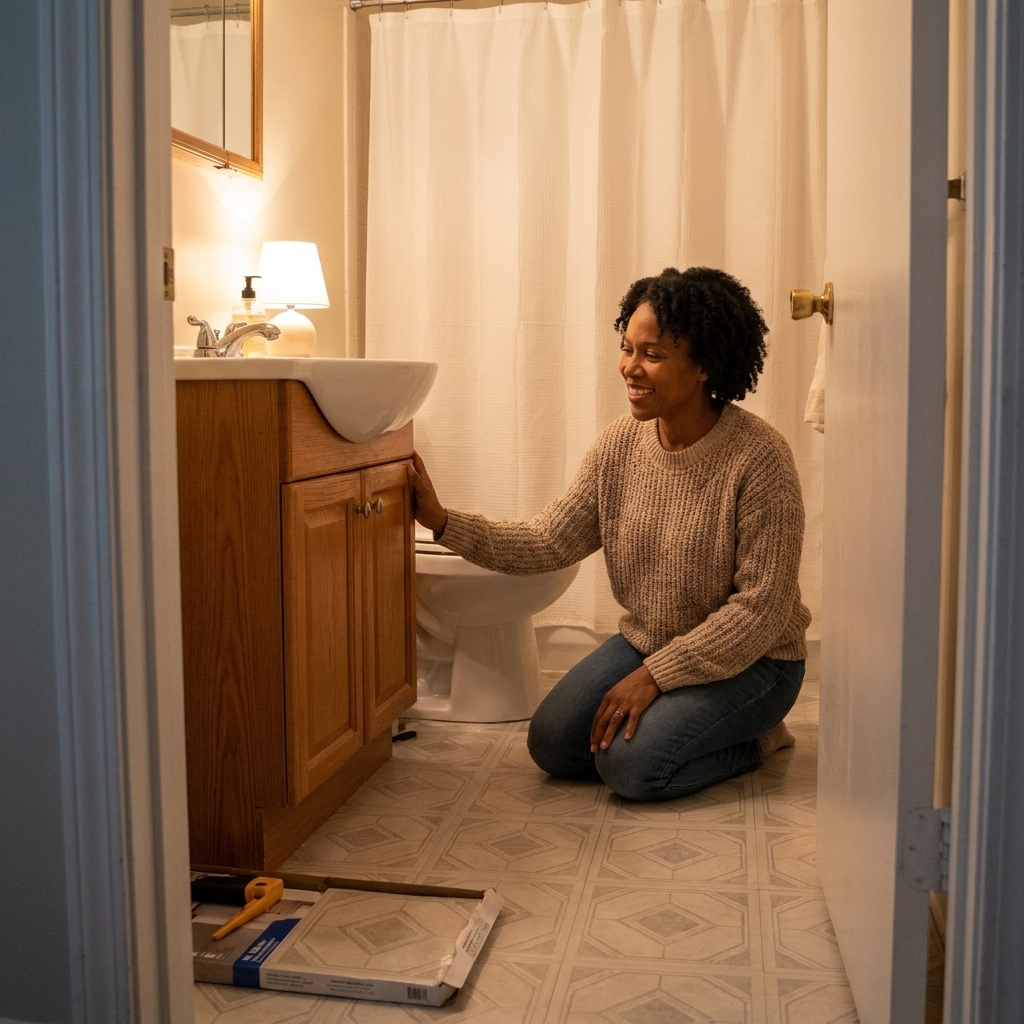
Temporary, affordable wall decor for apartments: peel-and-stick tricks, lightweight gallery walls, fabric hangings, and more. Designed for easy removal and z...
home decor / design / interior decoration
7 Renter-Safe Wall Decor Ideas That Won’t Damage Paint

Maya Thorne
Maya Thorne is an interior stylist and the creative voice behind Homoraa. With over a decade of experience blending vintage finds with modern aesthetics, she helps readers transform ordinary spaces into personalized sanctuaries. When she is not rearranging her living room, she can usually be found hunting for unique ceramics and textiles at local flea markets.
Created: September 25, 2026
Updated: September 25, 2026
Renting has a funny way of making even your best furniture feel temporary if the walls are blank. The good news is you can absolutely add color, texture, and personality without putting your security deposit on the line. The secret is choosing solutions that either use removable adhesives correctly or avoid the wall surface entirely by leaning, propping, or hanging from hardware that already exists.
Below are seven renter-safe wall decor ideas I use constantly in real homes, plus a few “don’t skip this” prep tips so everything comes down clean when it is time to move.
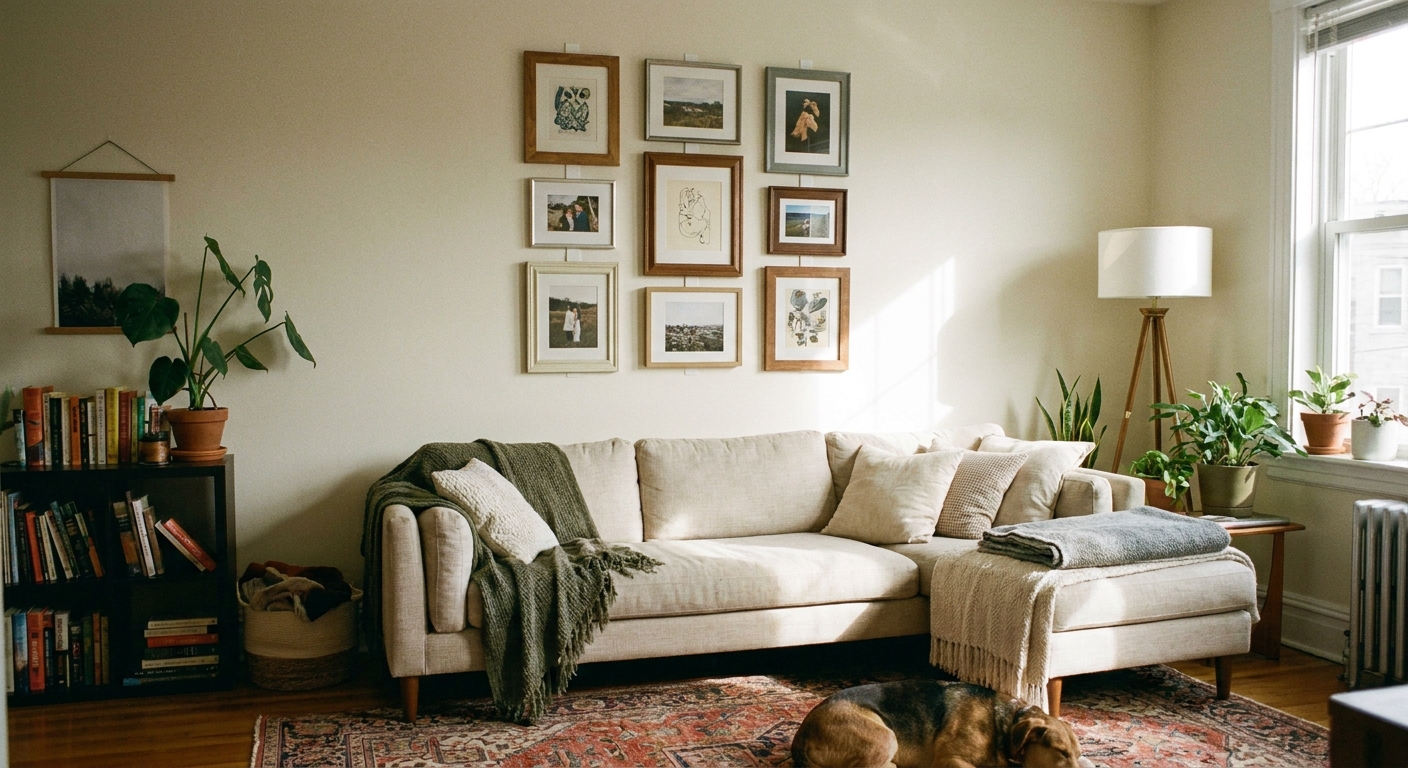
Before you stick anything: a 3-minute renter-safe check
- Clean first. Wipe the wall with a dry microfiber cloth, then a lightly damp cloth if needed. Let it fully dry. Dust is what makes strips fail.
- Know your wall and paint. Flat or chalky paint (common in rentals) can grip too hard or fail too fast. Heavy texture, brick, existing wallpaper, or already-peeling paint are also higher risk for adhesives. When in doubt, go lighter and consider leaning options.
- Wait after fresh paint. If the unit was recently painted, let it cure first. This is often 2 to 4+ weeks, but humidity, paint type, and coat thickness matter, so follow the paint manufacturer’s guidance when possible.
- Test in a hidden spot. Especially with peel-and-stick wallpaper and decals. A closet wall is perfect.
- Weight limits are real. Follow product weight ratings, and remember texture and humidity can reduce hold. If it is heavy, awkward, or valuable, leaning is often the safest option.
- Removal matters. With Command-style strips, always pull the tab straight down slowly. Do not yank outward from the wall.
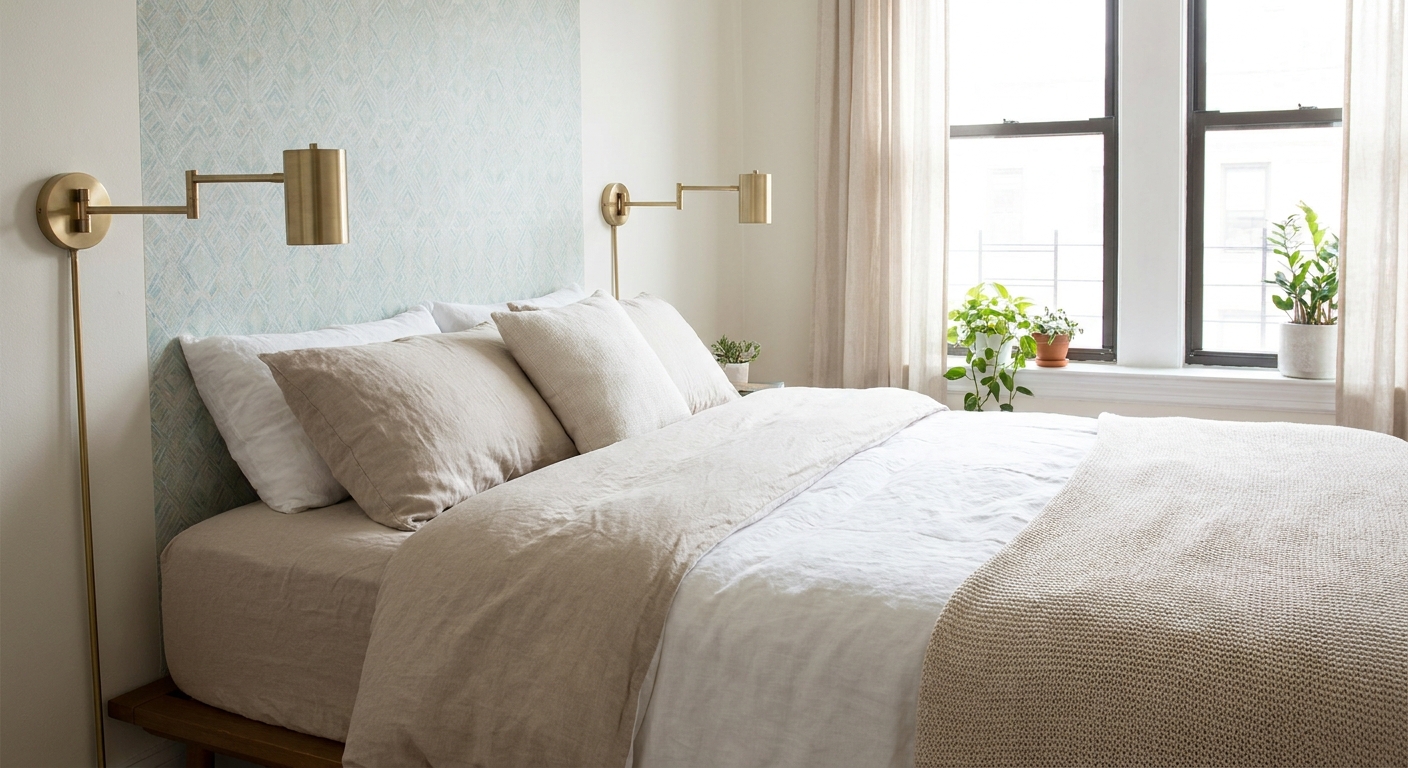
1) Peel-and-stick wallpaper, used like an accent
Peel-and-stick wallpaper is the closest thing to a “real” makeover that still feels reversible. For rentals, I like using it in smaller doses so you get the impact without needing to paper an entire room (and without buying a mountain of rolls).
Where it works best
- Behind a bed as a faux headboard wall panel
- Inside a bookshelf or on the back of open shelving
- On the back wall of a dining nook to define the area
- In a powder room for big personality in a tiny footprint
My styling tip
If the print is bold, keep the rest calm. One patterned wall treatment plus solid textiles and simple art looks intentional, not chaotic.
2) Removable wall decals that mimic painted shapes
If you love the look of color-blocking or a painted arch but cannot paint, removable decals are your best friend. The key is choosing large, simple shapes rather than tiny stickers that read like a dorm room.
Ideas that look elevated
- Half-wall band in a muted color to “ground” the room
- Soft arch behind a bedside table or reading chair
- Skinny vertical stripes to make ceilings feel taller
Budget note: Decals are often cheaper than wallpaper because you are covering less surface area, and you can mix leftover pieces into small spaces like entryways.
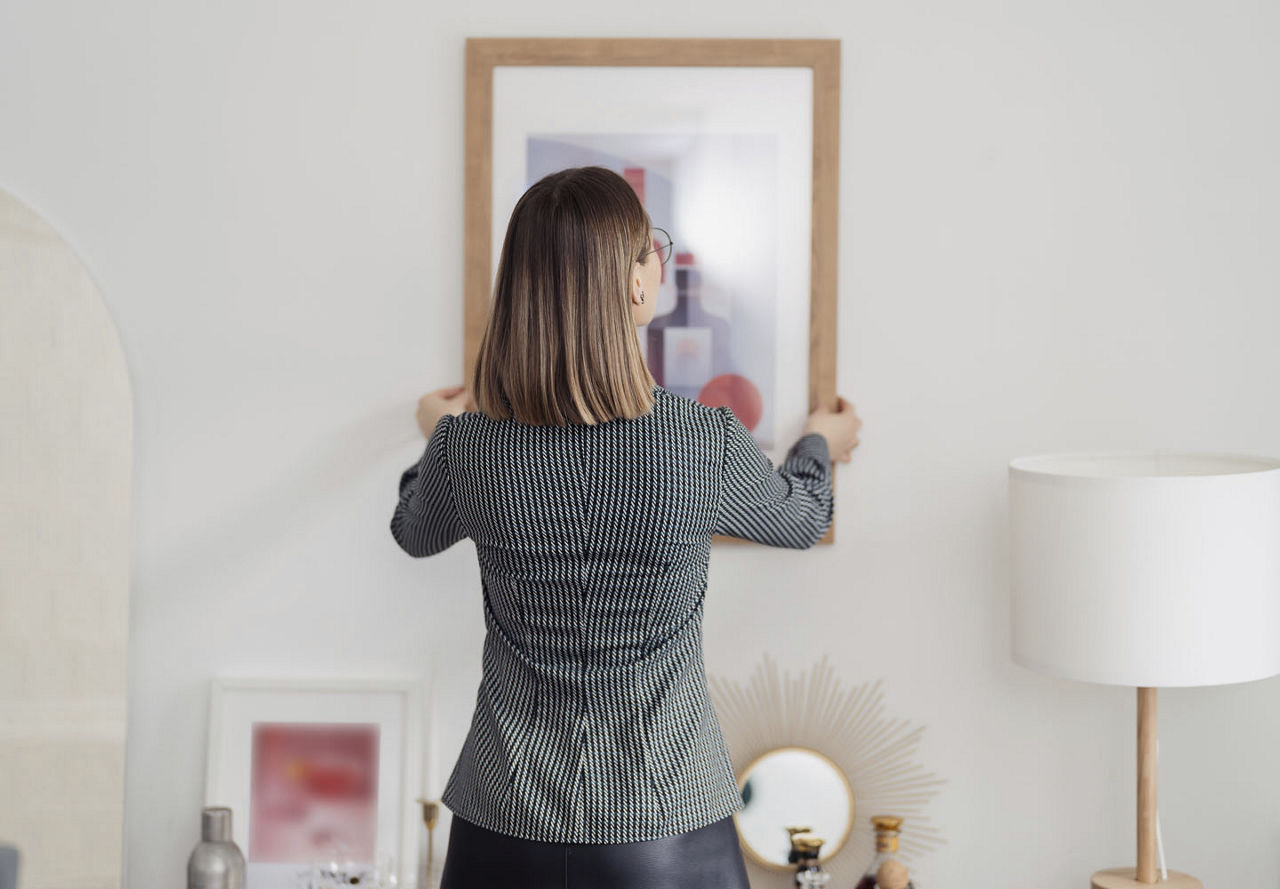
3) One large statement piece with removable strips
One oversized artwork can do the work of ten smaller frames, and it is usually easier to hang renter-safely because you only need a couple of well-placed strips or removable hooks.
What to look for
- Lightweight frames (thin wood, acrylic, or aluminum)
- Canvas art which is often lighter than glass-front frames
- Neutral matting to make thrifted art feel polished
Hanging tip
Use enough strips for the weight rating and add one extra pair if your walls are textured. Texture reduces contact, and contact is what keeps things secure.
4) Display ledges with removable strips
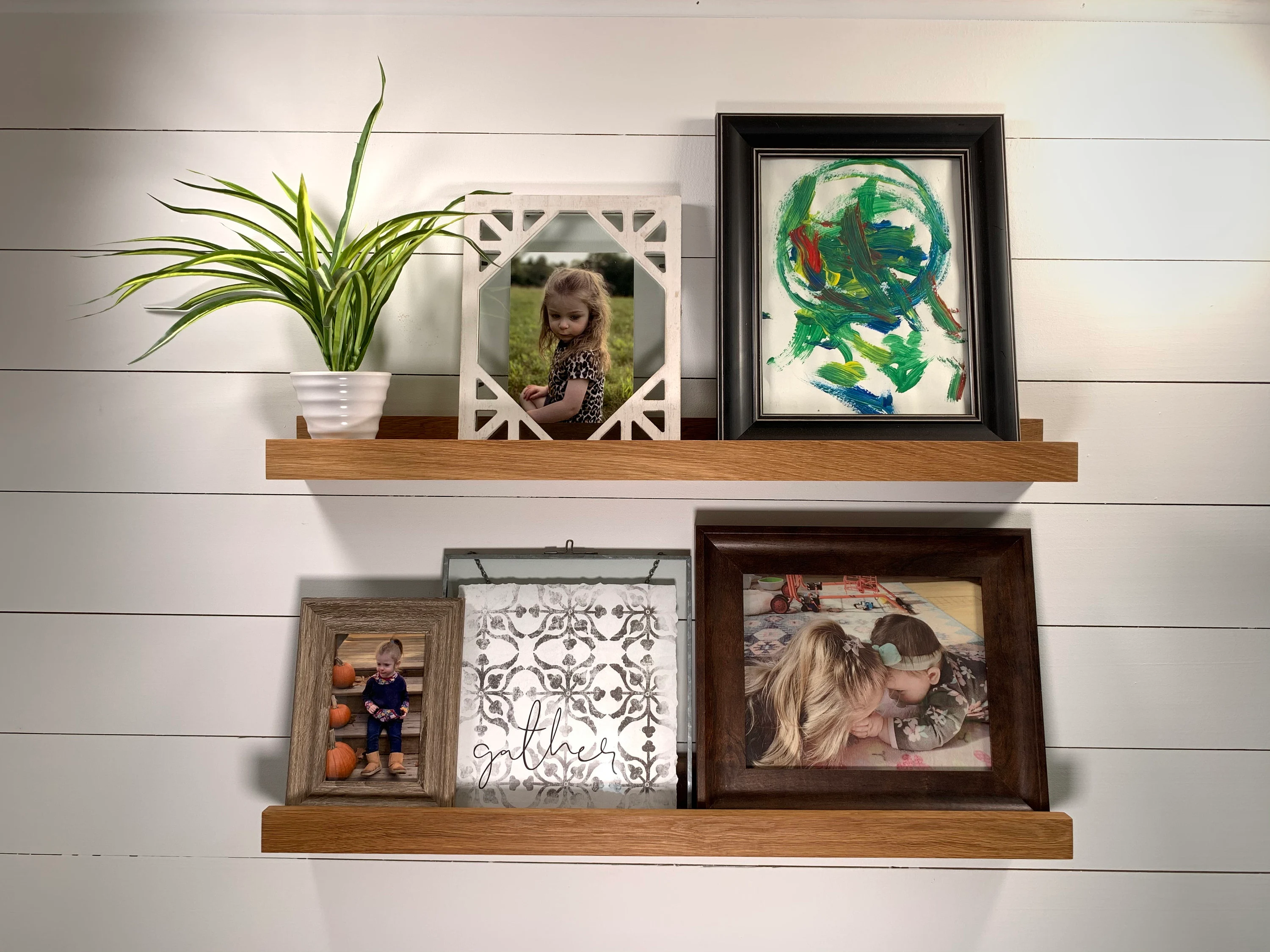
Display ledges are my favorite way to make a rental feel collected. You get the layered look of a gallery wall, but you can swap pieces whenever your mood changes. And because the ledge holds the weight, you are not hanging five frames individually.
How to style a ledge
- Start with one hero piece (largest frame) slightly off-center.
- Add a medium piece that overlaps the hero by an inch or two.
- Finish with a small piece plus a tiny object, like a bud vase or a small ceramic bowl.
Slow decorating win: This is perfect if you are building an art collection over time. You can rotate in flea market finds without rehanging anything.
5) Leaning art, mirrors, and shelves
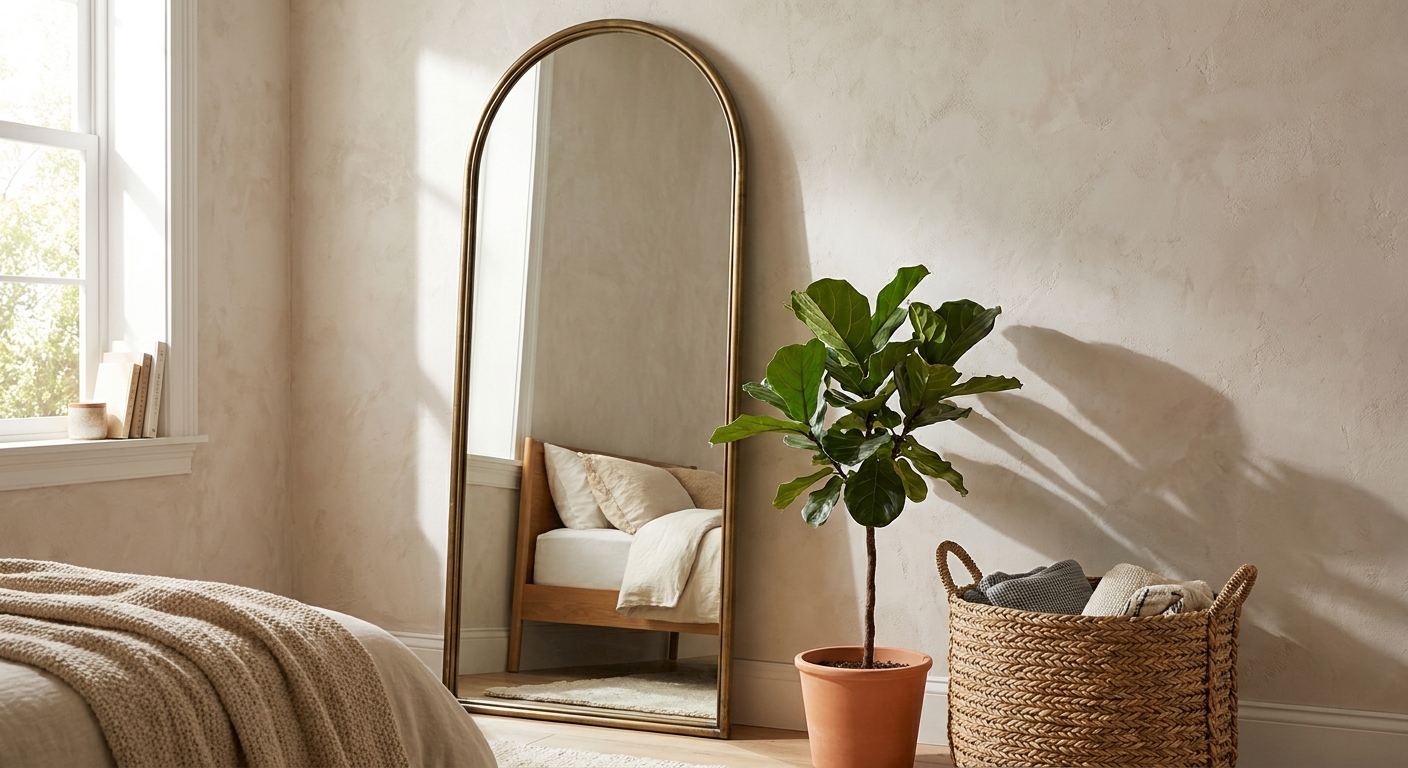
When in doubt, lean. Large frames and mirrors instantly make a space feel finished, and leaning them on a console, dresser, or even the floor removes most of the rental risk.
Where to lean for impact
- On a dresser with a small stack of books and a lamp
- Behind a sofa on a slim console table
- In a dining area on a sideboard for “gallery” energy
- On the floor in a bedroom corner to soften hard angles
Safety tip
If you have pets or little ones, use a furniture anti-tip strap on tall pieces and consider museum putty under frames on consoles to prevent sliding. (Test first, since some putties can leave residue on certain finishes.)
6) Textile wall decor
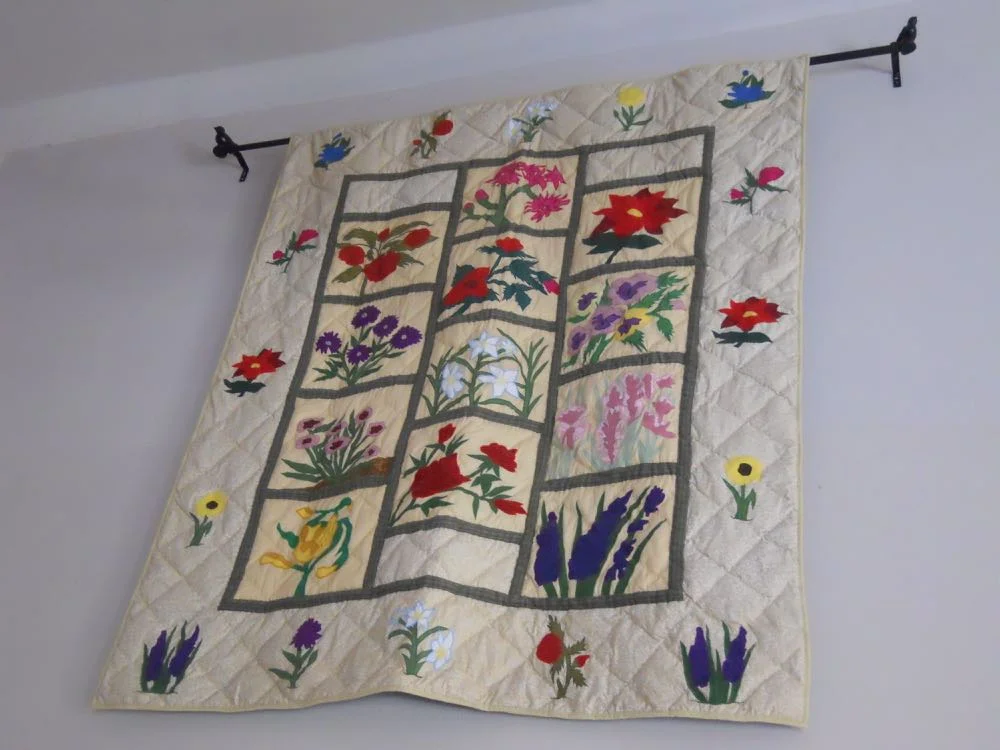
Textiles are the easiest way to add softness and color, especially in rentals with echoey rooms and minimal overhead lighting. A quilt, tapestry, or even a beautiful vintage scarf reads like art and can help reduce echo slightly.
Renter-safe ways to hang textiles
- Removable hooks with a slim dowel pocket at the top
- Clip rings (like curtain clips) on a lightweight rod hung from removable hooks
- Poster hangers (magnetic wood) for thinner fabrics like scarves
- Tension rods for lightweight hangings in a nook or between two walls, with zero adhesive
Styling note: Choose textiles with a limited palette and some negative space. Busy prints can feel heavy on a wall unless the room is otherwise very minimal.
7) Peel-and-stick trim wall frames
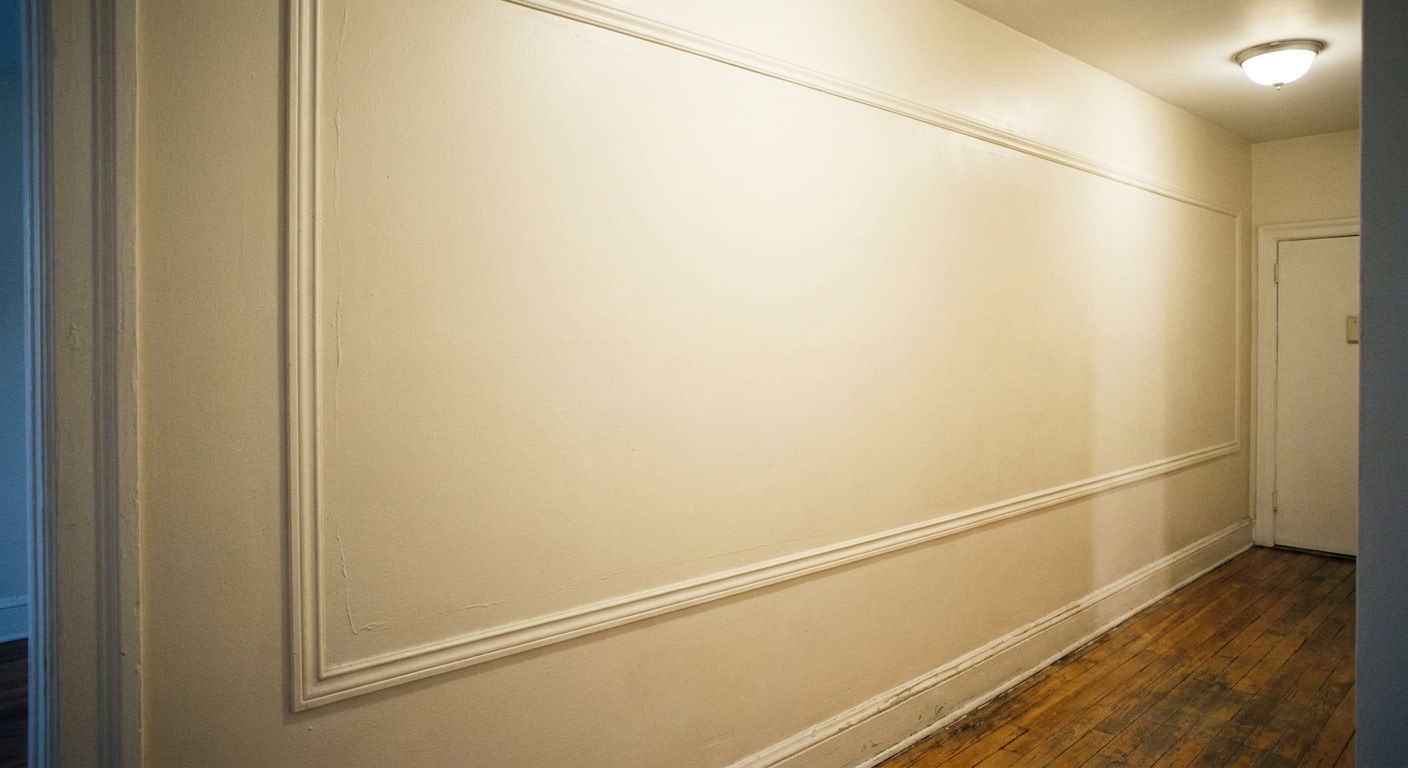
If your rental walls feel flat, adding the illusion of architecture is a game-changer. Peel-and-stick trim or lightweight foam molding (attached with removable adhesive) can create paneling shapes that make even builder-grade walls feel considered.
Easy renter-safe upgrades
- One large rectangle behind the bed to mimic picture-frame molding
- Two stacked rectangles to fake wainscoting in an entryway
- A thin border around a wallpaper panel for a built-in look
Make it look intentional
Keep the trim the same color as the wall if you cannot paint. Tone-on-tone reads subtle and high-end, and it avoids the “am I allowed to paint this?” question entirely.
Quick caution: Adhesives can still pull paint or release early on textured walls. Test a small piece first, keep it lightweight, and remove slowly.
Common renter-safe mistakes
- Using too few strips. If the package says 4 pairs, use 4 pairs. Under-supporting is what leads to frames falling and paint tearing.
- Hanging on textured or dusty walls without adjusting. Go lighter, use more contact points, and clean first.
- Removing incorrectly. Pull adhesive tabs down slowly, parallel to the wall, until the strip releases.
- Putting decals over fragile paint. If the wall feels chalky or is already peeling, lean art or use display ledges instead.
Quick FAQ
What is the safest way to hang frames in a rental?
For lightweight frames, removable picture hanging strips are typically the safest because they distribute weight and do not require holes. For heavier art, leaning on furniture can be even safer than any adhesive.
Will peel-and-stick wallpaper ruin paint?
It can if the paint is not fully cured, is low-quality, or is already peeling. Test a small patch, avoid freshly painted walls, and remove slowly by warming the adhesive slightly with your hands as you peel.
How do I make a rental look finished with minimal wall decor?
Go big, not busy: one oversized piece, one mirror, and one textile element often looks more intentional than a scattered collection of small frames.
The renter-safe mindset
The goal is not to “pretend you own the place” overnight. It is to build a space that supports you now, with choices you can undo later. Start with one wall that matters most, usually behind the sofa or the bed, and layer in personality as you find pieces you truly love. That is slow decorating at its best, and it works beautifully in rentals.